Evaluating the 3D Cape Daisy Tumbler 2 for Sublimation Projects
Selecting the right digital asset for sublimation printing requires balancing aesthetic appeal with technical precision. The 3D Cape Daisy Tumbler 2 represents a specific category of floral design that merges botanical illustration with simulated depth, offering a distinct alternative to flat vector art or photographic realism. For crafters and small business owners aged 20 to 50 who are curating a product line or seeking a specific visual style, understanding the nuances of this particular wrap file is essential for making an informed purchasing decision. This evaluation explores the technical specifications, stylistic positioning, and practical applications of the 3D Cape Daisy Tumbler 2 PNG file to determine if it aligns with your current production needs.
Defining the Visual Style and Technical Specifications
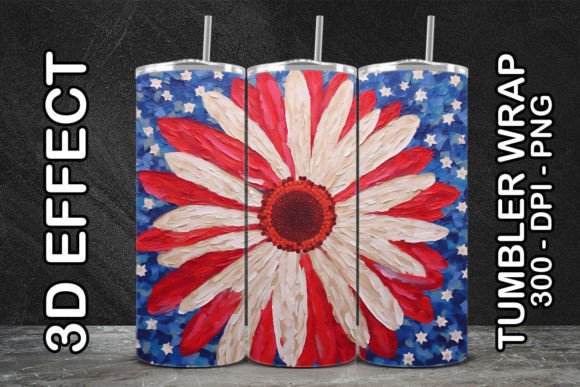
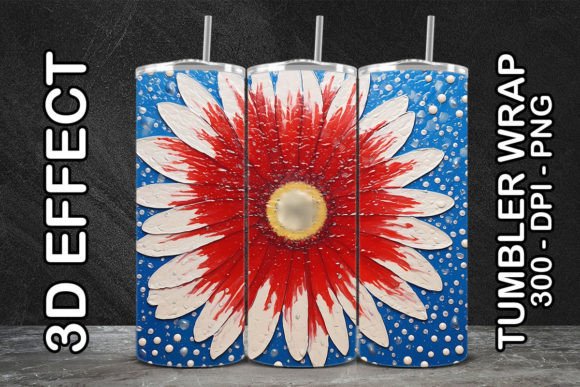
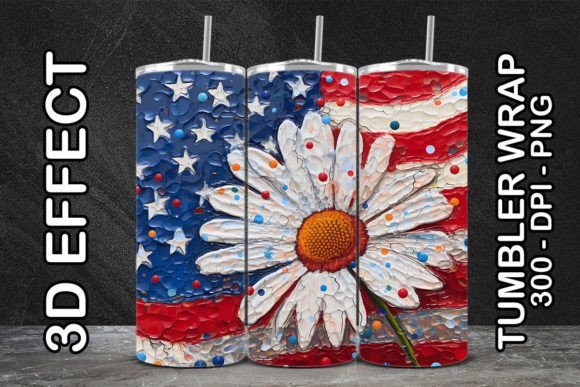
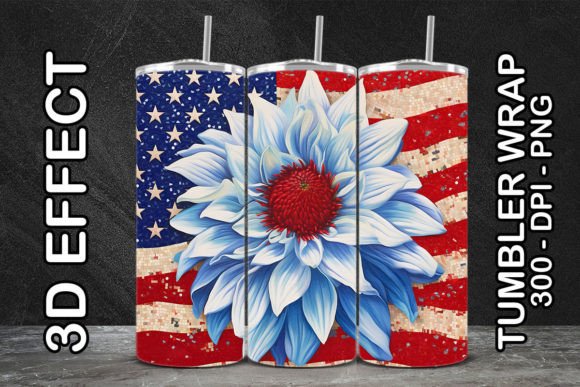
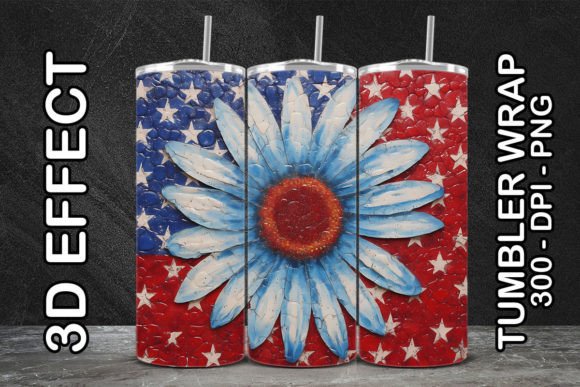
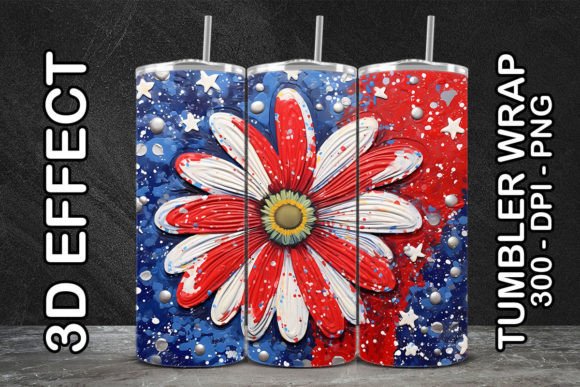
The 3D Cape Daisy Tumbler 2 is not merely a picture of a flower; it is a digitally rendered composition designed specifically for cylindrical application. The "3D" designation in this context typically refers to shading, lighting effects, and layering that create an illusion of volume on a two-dimensional surface. Unlike standard clipart, this design accounts for the curvature of a tumbler, ensuring that the daisy motif does not appear distorted when wrapped around a vessel. The specific dimensions of 9.06 inches by 8.11 inches at 300 DPI indicate that this file is optimized for standard 20oz skinny tumblers, which are among the most common blanks in the sublimation market.
When evaluating this digital download, it is crucial to recognize what is included versus what is implied. You receive a single ZIP file containing a bundle of high-resolution PNG files. These are raster images with transparent backgrounds, allowing for layering over colored bases or other textures. However, because this is an instant digital download, there is no physical product involved. Success with the 3D Cape Daisy Tumbler 2 depends entirely on your existing hardware setup and proficiency with sublimation workflows. If you lack a sublimation printer, heat press, and appropriate transfer paper, this file serves only as a digital reference rather than a functional production asset.
Comparing Botanical Design Approaches in Sublimation
To understand where the 3D Cape Daisy Tumbler 2 fits within the broader market, it is helpful to compare it against other prevalent floral styles. Sublimation designs generally fall into three categories: flat vector, watercolor scan, and 3D render. Flat vectors offer crisp lines and infinite scalability but often lack the organic warmth desired for nature-themed drinkware. Watercolor scans provide authentic texture and artistic imperfection but can sometimes suffer from low resolution or difficult-to-remove backgrounds if not digitized properly.
The 3D Cape Daisy Tumbler 2 occupies a middle ground that appeals to buyers seeking modern polish without sacrificing natural beauty. Compared to watercolor alternatives, the 3D rendering offers consistent color saturation and cleaner edges, which can be advantageous when printing on polymer-coated surfaces where ink bleed is a concern. Conversely, compared to rigid vector art, the simulated depth provides a tactile quality that photographs better in product listings. For sellers comparing options, this style often bridges the gap between trendy and timeless, avoiding the dated look of early-2000s digital scrapbooking while remaining more vibrant than vintage reproductions.
Sizing Considerations and Format Limitations
A critical decision factor when choosing the 3D Cape Daisy Tumbler 2 over other resources is the fixed sizing. At 9.06 x 8.11 inches, this file is tailored for specific tumbler dimensions. While PNG files can be scaled down without significant quality loss, scaling up beyond 300 DPI risks pixelation. If your production line includes varied sizes such as 12oz wine tumblers, 30oz travel mugs, or tapered vessels, this single bundle may require supplementation with additional assets. In contrast, SVG-based designs or seamless pattern files offer greater flexibility across different form factors. Buyers must weigh the convenience of a pre-sized, ready-to-print wrap against the versatility of adjustable formats.
Furthermore, the nature of a "wrap" implies a continuous or strategically placed design meant to encircle the cup. Users should verify whether the 3D Cape Daisy Tumbler 2 features a seamless edge or a designated overlap zone. Non-seamless wraps require precise alignment during the pressing stage to avoid visible white lines or ghosting. If you are new to sublimation or struggle with registration, a seamless pattern might be a safer alternative. However, for experienced users who value a focal-point composition over repetitive patterns, the structured layout of this specific daisy design offers superior visual impact.
Assessing Fit for Different User Profiles
Determining whether the 3D Cape Daisy Tumbler 2 is the right choice depends heavily on your operational context and aesthetic goals. This resource is particularly well-suited for creators focusing on spring collections, garden-themed merchandise, or feminine corporate gifts. The Cape Daisy (Osteospermum) carries connotations of resilience and vibrancy, distinguishing it from generic roses or sunflowers. If your target audience values unique botanical species over common florals, this design provides immediate differentiation.
However, this asset may not be the optimal fit for every scenario. For those producing minimalist or Scandinavian-style home goods, the detailed 3D rendering might feel too ornate. Similarly, if your workflow relies heavily on color customization within design software like Illustrator, a raster PNG limits your ability to adjust individual hues compared to vector sources. Additionally, beginners who have not yet mastered temperature and pressure settings for curved surfaces may find the detailed gradients of a 3D render unforgiving; banding or color shifts are more noticeable in shaded 3D art than in flat graphics. In these cases, simpler, high-contrast designs might serve as better learning tools before advancing to complex renders like the 3D Cape Daisy Tumbler 2.
Tradeoffs Between Instant Downloads and Custom Commissions
Purchasing the 3D Cape Daisy Tumbler 2 as an instant download offers immediate access and cost efficiency, but it comes with inherent tradeoffs regarding exclusivity. Digital marketplaces are saturated with popular floral motifs, meaning similar designs may exist in other shops. For businesses building a premium brand identity based on uniqueness, relying solely on stock digital downloads can limit distinctiveness. Conversely, commissioning custom artwork involves higher costs and longer lead times. The strategic middle path often involves using high-quality base files like this daisy wrap as a foundation, then adding proprietary text, logos, or secondary elements to create a hybrid product that balances affordability with brand specificity.
Practical Implementation and Quality Assurance
Maximizing the value of the 3D Cape Daisy Tumbler 2 requires attention to technical execution. Because the file is delivered at 300 DPI, users must ensure their printer settings match this resolution to prevent artificial sharpening or softening. It is advisable to perform a test print on plain paper first to verify scale and color accuracy before committing to expensive sublimation paper. Monitor calibration is equally important; the vibrant purples and whites characteristic of Cape Daisies can shift dramatically between screen and substrate. Establishing a color profile for your specific printer-paper-tumbler combination ensures that the digital promise of the 3D Cape Daisy Tumbler 2 translates faithfully to the physical product.
Storage and organization also play a role in long-term utility. Since you receive a ZIP file containing multiple PNGs, implementing a logical filing system prevents future frustration. Tagging files by size, theme, and purchase date streamlines retrieval during peak production seasons. Remember that digital licenses vary; always review the terms associated with the 3D Cape Daisy Tumbler 2 to confirm whether commercial use, modification, or resale of finished products is permitted. Understanding these legal parameters is as important as understanding the technical specs, protecting your business from inadvertent infringement while enabling confident product development.
Making the Final Selection Decision
Ultimately, the decision to acquire the 3D Cape Daisy Tumbler 2 should stem from a clear assessment of your current inventory gaps and technical capabilities. It excels as a high-impact, seasonally relevant solution for standard 20oz tumblers, offering professional-grade aesthetics without the overhead of original illustration. Its strengths lie in its optimized sizing, vibrant 3D styling, and immediate availability. Its limitations reside in its fixed format and dependence on user expertise for successful output. By weighing these factors against alternative styles and your specific business objectives, you can determine if this digital asset represents a valuable addition to your sublimation toolkit or if another resource would better serve your creative vision. Careful evaluation ensures that every digital purchase contributes meaningfully to both product quality and operational efficiency.