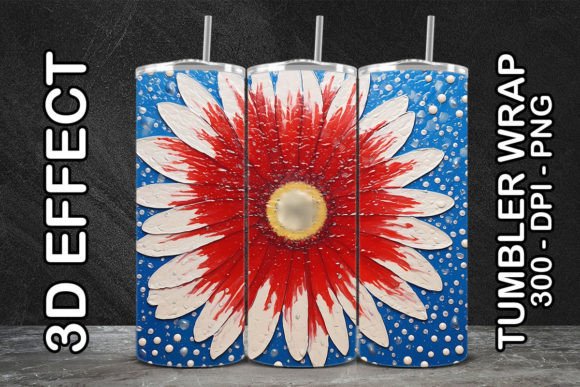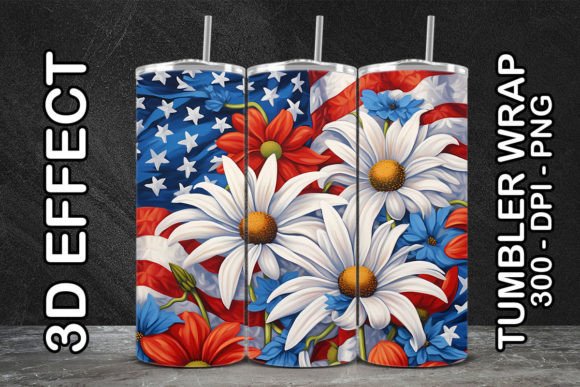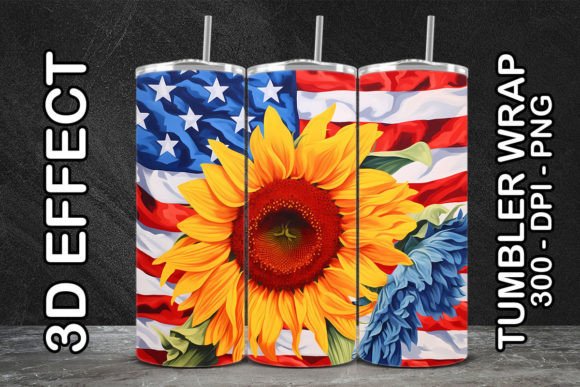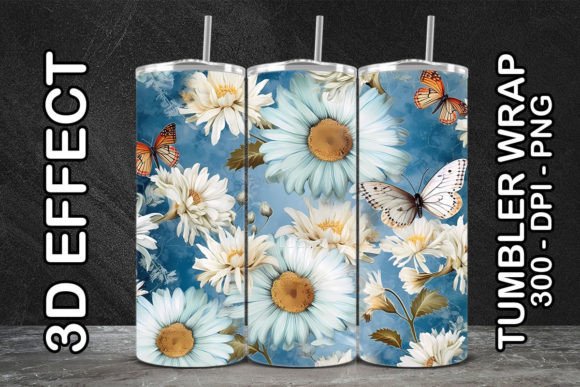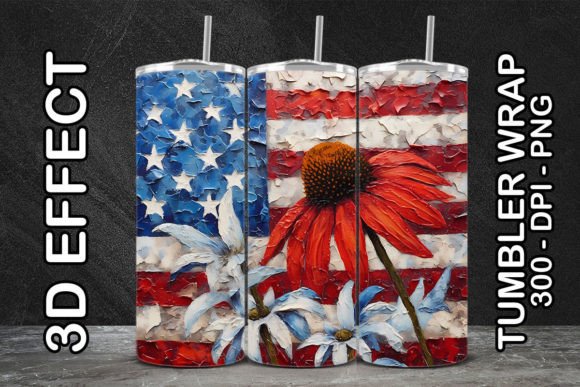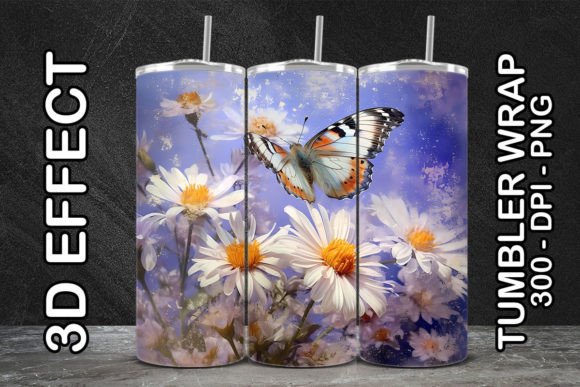
Evaluating the 3D New England Aster Tumbler 7 Digital Sublimation Design
The 3D New England Aster Tumbler 7 represents a specific category of digital assets designed for crafters and small business owners specializing in custom drinkware. This product is not a physical tumbler but rather a high-resolution digital file intended for sublimation printing. Understanding the distinction between the visual representation of a 3D render and the actual utility of a 2D wrap file is the first step in determining if this asset aligns with your production capabilities and aesthetic goals. The design features the New England Aster, a botanical motif that offers distinct seasonal and stylistic implications for end-users.
Understanding the Product Specifications
When evaluating the 3D New England Aster Tumbler 7 for potential use, it is necessary to look beyond the attractive preview images and focus on the technical deliverables. Upon purchase, users receive an instant digital download consisting of a single ZIP file. Inside, there is a bundle of PNG files specifically formatted for sublimation workflows. The dimensions are fixed at 9.06 inches by 8.11 inches with a resolution of 300 DPI.
These specifications are critical for decision-making. The 300 DPI standard ensures that the intricate details of the aster flowers and foliage remain crisp when transferred onto a curved surface. Lower resolution files often result in pixelation or blurring during the heat press process, particularly with botanical designs where petal definition matters. The 9.06 x 8.11 inch sizing suggests this wrap is optimized for standard 20-ounce skinny tumblers. Crafters using non-standard vessel sizes must measure their blanks carefully before purchasing, as resizing a raster-based PNG can degrade image quality or distort the floral pattern.
Aesthetic Appeal and Market Fit
The primary reason creators select the 3D New England Aster Tumbler 7 is its specific botanical theme. New England Asters are late-blooming perennials associated with autumn, resilience, and rustic elegance. This makes the design particularly relevant for seasonal product lines launched in late summer through fall. Unlike generic floral patterns, this specific species carries regional recognition and niche appeal, which can differentiate products in a saturated market.
For sellers on platforms like Etsy or at local craft fairs, this design serves customers seeking nature-inspired aesthetics that avoid overly bright or tropical color palettes. The "3D" aspect of the title refers to the visual depth created in the artwork, simulating texture and dimension on a flat surface. When applied correctly, this creates a premium perception without the cost of actual embossing or etching. However, buyers should evaluate whether this level of visual complexity suits their target demographic. While detailed florals perform well with mature audiences or garden enthusiasts, they may be less effective for markets preferring minimalist or modern geometric styles.
Technical Considerations and Workflow Integration
Acquiring the 3D New England Aster Tumbler 7 requires existing proficiency in sublimation printing. Because this is a digital-only item, there is no margin for error regarding file compatibility. Users must possess software capable of handling PNG files and adjusting print settings for sublimation ink. The file does not include SVG vectors or editable layers; it is a flattened raster image. This means customization options are limited to scaling, cropping, or adding external text overlays.
Crafters who rely on vector editing to change flower colors or rearrange individual elements will find this format restrictive. Conversely, those who prioritize speed and consistency over customization will appreciate the ready-to-print nature of the bundle. The inclusion of multiple PNG variations within the ZIP file provides some flexibility, allowing users to test different layouts without modifying the core artwork. Before committing to bulk production, it is advisable to print a paper mockup to verify alignment and scale against the specific tumbler blank being used.
Benefits and Tradeoffs of Digital Wraps
Choosing a digital wrap like the 3D New England Aster Tumbler 7 offers significant advantages over commissioning custom art or creating designs from scratch. The immediate availability allows for rapid prototyping and inventory expansion. The cost-per-design is generally low compared to hiring a graphic designer, making it accessible for hobbyists and new businesses. Furthermore, the 300 DPI specification provides professional-grade output suitable for commercial sale.
However, these benefits come with inherent tradeoffs. As a widely available digital asset, there is a risk of market saturation. Other sellers may utilize the same 3D New England Aster Tumbler 7 design, potentially leading to price competition or brand dilution. To mitigate this, successful users often combine the wrap with unique typography, personalized names, or complementary graphics to create a distinct final product. Additionally, because the file is non-editable, any flaws in the original artwork or mismatches with your specific printer’s color profile cannot be easily corrected at the source level. Color management skills are essential to ensure the printed aster matches the vibrant hues seen in the digital preview.
Determining Suitability for Your Needs
The decision to purchase should be based on a clear assessment of current resources and business objectives. The 3D New England Aster Tumbler 7 is a strong fit for creators who already own sublimation equipment, understand color profiling, and need immediate, high-quality seasonal content. It is ideal for those expanding an autumn collection or fulfilling custom orders for clients who favor realistic botanical art.
Alternatives should be considered if you lack sublimation infrastructure, require exclusive rights to a design, or need fully editable vector files. In such cases, investing in original artwork or learning to create proprietary designs may yield better long-term value despite higher upfront costs. Similarly, if your tumbler blanks deviate significantly from the 9.06 x 8.11 inch standard, searching for size-specific wraps or seamless patterns may prevent material waste and frustration.
Ultimately, this digital asset functions as a tool rather than a finished product. Its value is realized only through the user's technical skill and creative application. By weighing the convenience of instant access against the limitations of raster formats and shared licensing, crafters can make informed decisions that support both their artistic vision and operational efficiency. Reviewing the included file specifications against your hardware capabilities remains the most reliable method for ensuring satisfaction with this digital purchase.