Evaluating the Tooled Leather Western Tumbler Wrap for Sublimation Projects
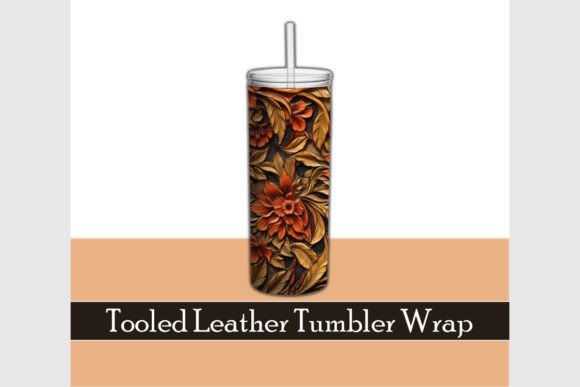
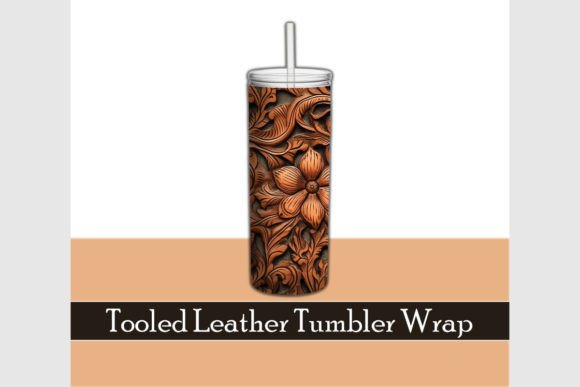
The intersection of traditional western aesthetics and modern sublimation printing has created a specific niche for drinkware customization. Among the various design options available, the Tooled Leather Western Tumbler Wrap stands out as a distinct category that bridges rustic craftsmanship with digital fabrication. This design style replicates the intricate, embossed appearance of hand-tooled leather using high-resolution 3D-rendered floral patterns. For creators and small business owners evaluating their next product line, understanding the technical specifications, aesthetic value, and practical applications of this specific wrap format is essential for making an informed purchasing or design decision.
Distinguishing Features of 3D Rendered Leather Designs
When comparing sublimation wraps, it is necessary to differentiate between flat graphic designs and those utilizing simulated texture. The Tooled Leather Western Tumbler Wrap falls into the latter category. Unlike standard vector art or flat photography, this design employs 3D rendering techniques to create depth, shadow, and highlight. This visual trickery is significant because sublimation ink dyes the polymer coating of a tumbler but does not add physical texture. A successful tooled leather design must rely entirely on lighting and shading to convince the eye that the surface is embossed.
This distinction matters when evaluating quality. Lower-quality alternatives may appear muddy or flat once printed, losing the illusion of leather grain. High-fidelity versions, typically rendered at 300dpi, maintain crisp edges in the floral tooling patterns even when wrapped around a curved surface. The "pretty" aspect of these designs often comes from balancing the ruggedness of the leather texture with delicate, fun western floral motifs. This combination broadens the appeal beyond traditional masculine western wear demographics, making it a versatile choice for gift shops, event vendors, and personal crafters looking for a softer take on the cowboy aesthetic.
Straight vs. Tapered: Technical Fit and Application
One of the most critical decision factors when selecting a tumbler wrap is geometric compatibility. Tumblers are not universally shaped; they generally fall into two categories: skinny straight and tapered. Using a straight wrap on a tapered tumbler results in unsightly gaps at the top or bottom, while forcing a tapered wrap onto a straight vessel causes overlapping and distortion. This specific resource addresses that common pain point by providing two individual files: one straight seamless and one tapered seamless.
Evaluating the Straight Seamless Option
The straight seamless file is designed for cylindrical tumblers where the diameter remains constant from top to bottom. This format is ideal for:
- Skinny Straight Tumblers: The most popular size in the current market, typically holding 20oz.
- Beer Cans and Slim Cans: Where the vertical alignment of the floral pattern must remain perfectly plumb.
- Beginner Sublimation: Straight wraps are generally more forgiving during the heat press or shrink wrap process because there is no variable circumference to manage.
Evaluating the Tapered Seamless Option
Tapered tumblers present a unique challenge because the circumference changes gradually. A dedicated tapered file accounts for this curvature digitally. When printed and applied, the design aligns correctly despite the changing surface area. This option is best suited for:
- Ergonomic Drinkware: Tumblers that narrow toward the base for better grip.
- Premium Product Lines: Tapered vessels often command a higher price point, justifying the use of specialized, high-detail artwork like 3D tooled leather.
- Complex Pattern Matching: Ensuring the floral elements do not stretch or compress unnaturally near the bottom of the cup.
Having both formats included in a single package eliminates the need for manual distortion in editing software, which can introduce pixelation or alter the intended aspect ratio of the 3D render.
Technical Specifications and Print Quality Considerations
For professional results, file specifications dictate the final output. This Tooled Leather Western Tumbler Wrap is provided as 9.3 x 8.2 inch PNGs at 300dpi. Understanding why these metrics matter helps in comparing this product against lower-resolution or differently sized alternatives.
Resolution Integrity: Sublimation printing requires high pixel density. Because the design simulates fine leather grain and intricate floral carving, anything below 300dpi risks appearing soft or blurry upon close inspection. The 3D nature of the background pattern relies on micro-details to sell the illusion; low-resolution files flatten these details, resulting in a print that looks like a cartoon rather than premium leather.
Dimensions and Bleed: The 9.3 x 8.2 inch dimensions cover the standard surface area for most 20oz tumblers. However, users should always measure their specific blanks before printing. While the file is sized for industry standards, variations exist between manufacturers. The seamless nature of the file allows for minor trimming if a specific tumbler is slightly shorter, but it cannot be stretched significantly without quality loss. Comparatively, some generic wraps offer larger dimensions but lower resolution, forcing a tradeoff between coverage and clarity. This specific sizing prioritizes optimal clarity for the target vessel size.
Comparative Analysis: Digital Wraps vs. Physical Alternatives
When deciding whether to utilize a digital Tooled Leather Western Tumbler Wrap, it is helpful to weigh it against other methods of achieving a similar aesthetic.
Vinyl Decals and Adhesives
Vinyl can replicate western themes effectively, but it lacks the full-wrap seamlessness of sublimation. Vinyl edges can peel over time, especially on drinkware subjected to frequent washing and temperature changes. Furthermore, vinyl sits on top of the surface, creating a tactile ridge. In contrast, the sublimated tooled leather design becomes part of the coating. While vinyl offers true physical texture, the 3D printed wrap offers superior durability and a smooth, dishwasher-safe finish that many consumers prefer for daily use.
Genuine Leather Wraps
Authentic leather tumbler sleeves provide unmatched tactile quality and prestige. However, they come with significant tradeoffs: higher cost, limited color options, difficulty in cleaning, and susceptibility to water damage. A sublimated alternative captures the visual essence of western floral tooling without the maintenance requirements or price barrier. For customers who want the look of western heritage without the upkeep of genuine hide, the digital wrap is often the more practical choice.
Flat Graphic Western Prints
Standard 2D western prints (e.g., bandanas, flags, simple typography) are widely available and often cheaper. However, they lack the dimensional sophistication of a 3D rendered tooled leather design. In a saturated market, the added depth of a faux-leather wrap can serve as a differentiator, signaling higher perceived value. If the goal is to compete on price alone, flat graphics may suffice. If the goal is to offer a premium-feeling product at a mid-range price point, the tooled leather aesthetic provides better leverage.
Decision Factors: When This Design Is the Right Choice
Selecting the right asset depends on your specific production capabilities and target audience. The Tooled Leather Western Tumbler Wrap is particularly well-suited for scenarios where visual impact and durability are paramount.
Ideal Use Cases:
- Western-Themed Events: Weddings, rodeos, and country music festivals where attendees expect thematic consistency but require functional drinkware.
- Seasonal Collections: Fall and winter lines where warm, textured visuals perform better than bright, flat summer graphics.
- Gift Markets: The combination of "pretty" florals with rugged leather textures appeals to a broad demographic, making it a safe yet distinctive choice for general retail.
Limitations to Consider:
- Color Accuracy: Leather tones (browns, tans, cognacs) can be tricky to sublimate. Different printers and papers interpret brown differently. Users must be comfortable with color profiling and test prints to ensure the leather looks natural rather than orange or green-tinted.
- Surface Dependency: The 3D illusion only works on white or light-colored polymer-coated surfaces. Dark tumblers will not display the highlights necessary for the depth effect.
- Style Specificity: While the floral element adds versatility, this is still distinctly western. It may not fit modern minimalist, corporate, or tropical brand identities.
Practical Implementation Tips for Best Results
To maximize the value of this digital asset, consider the following implementation strategies derived from experienced sublimation workflows:
- Verify Tumbler Geometry First: Before printing, physically measure the height and circumference of your blank. Confirm whether it is truly straight or tapered. Do not assume based on product listings alone, as manufacturing tolerances vary.
- Test Print for Color Balance: Print a small section of the leather texture on scrap paper and press it to a test tumbler. Adjust your ICC profile if the leather tones appear artificial. The goal is a rich, warm brown that mimics aged hide.
- Align the Seam Carefully: Even with a seamless file, alignment during pressing is crucial. A misaligned seam breaks the 3D illusion immediately. Use alignment tools or jigs to ensure the pattern meets perfectly.
- Leverage the Dual Files: Keep the straight and tapered files organized in your workflow. Accidentally using the wrong geometry file is a common waste of materials. Label your print jobs clearly.
Ultimately, the Tooled Leather Western Tumbler Wrap represents a strategic middle ground in drinkware decoration. It offers the visual complexity and thematic resonance of traditional craft with the efficiency and durability of modern sublimation. By understanding the technical distinctions between straight and tapered formats, recognizing the importance of 3D rendering quality, and honestly evaluating it against physical and digital alternatives, creators can determine if this specific design asset aligns with their production goals and customer expectations. Whether for a boutique product line or a personalized gift, success lies in matching the right digital file to the right physical substrate with precision and care.