Exploring Earring 3D Printing: A New Era in Jewelry Design
Earring 3d printing is revolutionizing the way we create and wear jewelry. This innovative technology allows for intricate, custom designs that were once impossible to achieve with traditional manufacturing methods. Whether you're a designer looking to push the boundaries of creativity or a consumer seeking unique, personalized pieces, 3d printed earrings offer a world of possibilities.
The Basics of 3D Printed Earrings
At its core, earring 3d printing involves using a 3D printer to create earrings layer by layer from a digital design. The process begins with a 3D model created using computer-aided design (CAD) software. This model is then sliced into thin layers, and the 3D printer builds the earring by depositing material—usually plastic, resin, or even metal—layer by layer until the final product is complete.
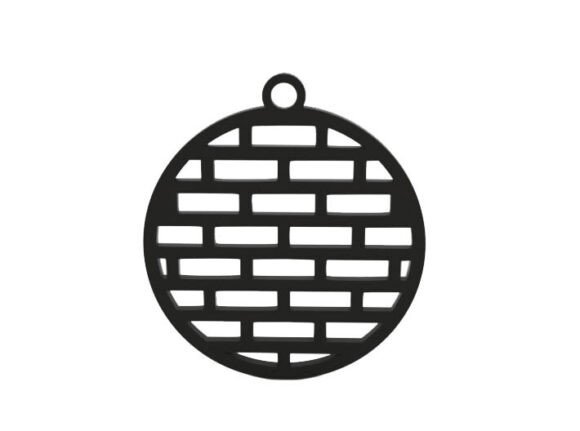
One of the key benefits of 3d printed earrings is the ability to create complex, detailed designs. Traditional jewelry-making techniques often have limitations when it comes to intricate shapes and patterns. With 3D printing, designers can experiment with lattice structures, organic forms, and other unique elements that add both aesthetic appeal and structural integrity to the earrings.
Materials Used in 3D Printed Earrings
The choice of material is crucial in earring 3d printing. Different materials offer varying levels of durability, flexibility, and appearance. Here are some of the most commonly used materials:
- Plastic (PLA, ABS): These are popular choices for beginners and for creating lightweight, colorful earrings. PLA, in particular, is known for its ease of use and biodegradability.
- Resin: Resin offers a more polished, professional look and can be used to create highly detailed and smooth-surfaced earrings. It's also available in a wide range of colors and finishes.
- Metal (Steel, Silver, Gold): For those looking for a more luxurious and durable option, 3D printing with metal powders is an excellent choice. Metal 3D printed earrings can be as intricate and detailed as their resin and plastic counterparts but with added strength and a more traditional, high-end feel.
Design Considerations for 3D Printed Earrings
When designing 3d printed earrings, there are several factors to consider to ensure the best possible outcome. Here are some key considerations:
- Weight and Comfort: Earrings should be comfortable to wear. Lightweight materials like PLA and certain resins are ideal for larger, more elaborate designs to prevent discomfort.
- Structural Integrity: Ensure that the design is structurally sound. Thin, delicate parts may be prone to breaking, so it's important to balance aesthetics with practicality.
- Surface Finish: The surface finish can greatly impact the overall look of the earrings. Smooth, polished surfaces are generally preferred, but some designs may benefit from a more textured, matte finish.
- Post-Processing: Depending on the material and the desired finish, post-processing steps such as sanding, polishing, and painting may be necessary. These steps can add time and cost to the production process, so they should be factored into the design and budget.
Customization and Personalization
One of the most exciting aspects of earring 3d printing is the ability to create fully customized and personalized pieces. Customers can work with designers to create earrings that perfectly match their style, preferences, and even specific occasions. For example, a bride might want a pair of 3d printed earrings that incorporate her wedding theme, or someone might want a set of earrings that feature a unique symbol or design that holds personal significance.
Customization also extends to the fit and comfort of the earrings. By using 3D scanning technology, designers can create earrings that are tailored to the individual's ear shape, ensuring a perfect and comfortable fit.
Integration into Modern Workflows and Industries
Earring 3d printing is not just a trend; it's becoming an integral part of modern jewelry design and manufacturing. Many jewelry companies and independent designers are incorporating 3D printing into their workflows to stay competitive and meet the growing demand for unique, custom pieces. This technology is also being used in the fashion industry, where designers are pushing the boundaries of what is possible with 3D printed accessories.
Moreover, 3D printing is making jewelry design more accessible. With the availability of affordable 3D printers and user-friendly CAD software, more people are able to explore their creativity and bring their designs to life. This democratization of design is leading to a more diverse and innovative range of 3d printed earrings.
Economic and Environmental Benefits
From an economic perspective, earring 3d printing can be more cost-effective than traditional manufacturing, especially for small batch or one-off designs. The ability to print on demand reduces the need for large inventories and minimizes waste. Additionally, 3D printing can be done locally, reducing the carbon footprint associated with shipping and transportation.
Environmentally, 3D printing with sustainable materials like biodegradable PLA and recycled resins can help reduce the environmental impact of jewelry production. The additive manufacturing process, which builds objects layer by layer, is inherently more efficient and produces less waste compared to subtractive manufacturing methods like milling and casting.
Challenges and Considerations
While earring 3d printing offers many advantages, there are also some challenges and considerations to keep in mind. One of the main challenges is the learning curve associated with 3D modeling and printing. Designers need to be proficient in CAD software and understand the intricacies of 3D printing to create high-quality, functional earrings.
Another consideration is the initial investment. While 3D printers have become more affordable, the cost of a high-quality 3D printer and the necessary materials can still be a barrier for some. Additionally, post-processing steps can add to the overall cost and time required to produce the final product.
Finally, the quality and durability of 3d printed earrings can vary depending on the material and the printing process. It's important to choose high-quality materials and to work with experienced 3D printing professionals to ensure the best possible results.
Conclusion
Earring 3d printing is a transformative technology that is changing the way we think about and create jewelry. With its ability to produce intricate, custom designs, and its potential for customization and personalization, 3d printed earrings are becoming increasingly popular. Whether you're a designer looking to innovate or a consumer seeking unique, personalized pieces, 3d printed earrings offer a world of creative possibilities. As the technology continues to evolve, we can expect to see even more exciting and innovative designs in the future.