Exploring the Versatility of Paper Clips in 3D Printing
When it comes to 3D printing, innovation and creativity often lead to unexpected solutions. One such solution that has gained attention is the use of Paper Clip for 3d Printing. This simple yet versatile tool can be a game-changer for hobbyists, educators, and professionals alike. In this article, we'll delve into what Paper Clip for 3d Printing is, its potential applications, and how it can help address various challenges in the 3D printing world.
Understanding Paper Clip for 3D Printing
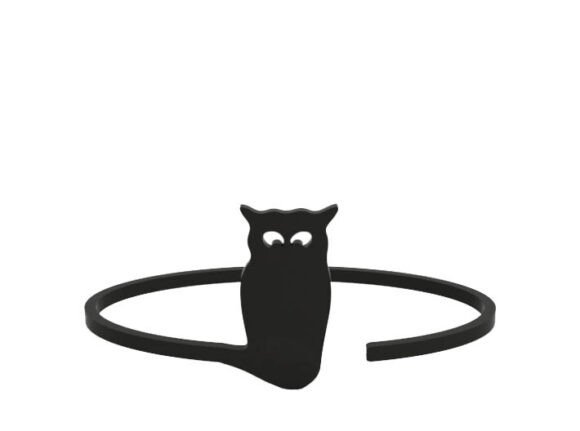
A Paper Clip for 3d Printing is not just a standard paper clip; it's a 3D printed version designed with specific functionalities in mind. These clips are typically created using 3D modeling software and then printed on a 3D printer. The design can be customized to fit different needs, from holding documents to more complex applications like securing parts in a 3D printed assembly.
Challenges and Goals in 3D Printing
One of the primary challenges in 3D printing is achieving precise and functional designs. Users often need small, reliable components that can enhance the functionality of their projects. Additionally, there's a constant need for cost-effective and easily accessible solutions. Paper Clip for 3d Printing addresses these challenges by providing a simple, customizable, and affordable option.
How Paper Clip for 3D Printing Can Help
The Paper Clip for 3d Printing offers several benefits that can significantly improve the 3D printing experience:
- Versatility: These clips can be used in a variety of ways, from basic document management to more specialized functions like cable management or part alignment.
- Customization: With 3D printing, you can tailor the design of the clip to meet specific requirements, whether it's size, shape, or material.
- Cost-Effectiveness: Printing your own clips is generally cheaper than buying pre-made ones, especially for large quantities.
- Educational Value: For students and educators, designing and printing paper clips can be an engaging way to learn about 3D modeling and printing processes.
Practical Applications and Outcomes
The Paper Clip for 3d Printing can be applied in numerous practical scenarios:
- Document Management: Custom-designed paper clips can help organize and secure important documents, making them ideal for office and home use.
- Cable Management: By creating clips with specific shapes and sizes, you can effectively manage and organize cables, reducing clutter and improving workspace efficiency.
- Assembly Aids: In 3D printing, these clips can serve as temporary fasteners during the assembly process, ensuring that parts are aligned correctly before final bonding.
- Prototype Testing: For designers and engineers, 3D printed paper clips can be used to test and refine prototypes, allowing for quick iterations and adjustments.
Examples and Recommendations
Here are some examples of how different users might approach the Paper Clip for 3d Printing:
- Hobbyists: A hobbyist might print a set of colorful and uniquely shaped paper clips to add a personal touch to their craft projects.
- Educators: Teachers can use 3D printed paper clips as a hands-on learning tool, helping students understand concepts like geometry and engineering principles.
- Professionals: Engineers and designers can create specialized clips for specific tasks, such as aligning parts in a complex assembly or managing wires in a prototype.
When starting with Paper Clip for 3d Printing, it's recommended to begin with simple designs and gradually move to more complex ones as you gain experience. Utilize 3D modeling software like Tinkercad or Fusion 360 to create and customize your designs. Additionally, consider the material you use for printing, as different materials (like PLA, ABS, or PETG) have varying properties that can affect the functionality and durability of the clips.
Useful Considerations
To get the most out of Paper Clip for 3d Printing, keep the following considerations in mind:
- Design Simplicity: Start with simple, functional designs and gradually introduce complexity as needed.
- Material Selection: Choose the right material based on the intended use. For example, PLA is easy to print but may not be as durable as ABS for certain applications.
- Testing and Iteration: Print and test your designs, making adjustments as necessary to ensure they meet your requirements.
- Community Resources: Leverage online communities and forums for tips, advice, and shared designs. Websites like Thingiverse offer a wealth of 3D printable models, including paper clips.
Conclusion
The Paper Clip for 3d Printing is a versatile and innovative solution that can enhance the 3D printing experience. Whether you're a hobbyist, educator, or professional, these custom-designed clips offer a cost-effective and functional way to address various challenges. By embracing the flexibility and creativity of 3D printing, you can unlock new possibilities and improve the quality and efficiency of your projects. So, why not give it a try and see how Paper Clip for 3d Printing can transform your 3D printing endeavors?